



The Role of Cooling Systems in CAT Marine Engines
Reliable temperature control is essential for the performance and longevity of any caterpillar yacht engine. Modern CAT marine engines and generators produced by Caterpillar produce significant thermal energy during operation, particularly in high-performance superyacht propulsion systems. Without an effective sea water cooling system, excessive heat can reduce efficiency, accelerate component wear, and ultimately lead to costly marine engine repairs.
Cooling systems are therefore a core part of CAT engineering. They protect critical components such as cylinder heads, pistons, turbochargers, and aftercoolers while maintaining optimal combustion temperatures. For operators of a Caterpillar-equipped yacht, proper cooling management is also essential for maintaining fuel efficiency and consistent power delivery during long cruising passages.
For engineers and captains responsible for yacht engine service, understanding how the cooling system functions is an important part of preventative maintenance and operational reliability.
Discover more about Motortec
How The Sea Water Cooling Works in a Caterpillar Yacht Engine
Most marine caterpillar propulsion systems use a dual-circuit cooling design that separates freshwater engine coolant from raw sea water.
The system works in two stages:
Closed Freshwater Circuit
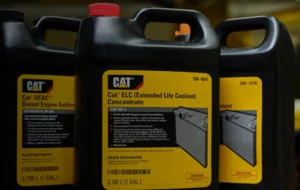
A coolant mixture circulates through the engine block and cylinder heads. Absorbing heat generated during combustion.
Raw Sea Water Circuit
Sea water is drawn into the system by marine engine pumps and passes through strainers before entering heat exchangers. Here, heat from the freshwater coolant is transferred to the sea water, which is then discharged overboard.
This approach prevents corrosive saltwater from circulating directly inside the yacht engine while still allowing efficient heat removal. It is a standard feature across many CAT marine engines, helping maintain stable operating temperatures even during high-load propulsion.
Key Cooling System Components
Several critical components ensure that the sea water cooling system functions efficiently in a Caterpillar yacht engine installation.
Marine Engine Pumps
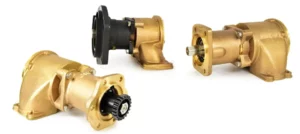
Raw water pumps maintain a continuous flow of water through the cooling circuit. The flexible impellers inside these marine engine pumps are subject to wear and should be inspected regularly by a qualified Caterpillar technician. Damaged impellers can restrict flow and quickly lead to overheating.
Sea Strainers and Filters / Heat exchangers
Sea strainers protect the sea water system from debris such as seaweed, sand, or shells. If these filters become blocked, water flow to the heat exchanger decreases, raising engine temperature and potentially triggering alarms. Routine inspection of strainers is a key part of preventative yacht engine service.
Aftercoolers
Turbocharged Cat marine engines rely on aftercoolers to reduce intake air temperature, improving combustion efficiency and supporting overall marine engineering solutions for propulsion performance. Two types of aftercoolers are fitted on Caterpillar marine engines: seawater-cooled aftercoolers and coolant-cooled aftercoolers. Seawater-cooled units are more sensitive to fouling and corrosion and therefore require more frequent cleaning and inspection compared to coolant-cooled systems.
When performing marine engine repairs, using genuine Caterpillar components is strongly recommended. OEM parts are designed to meet the precise engineering tolerances established through CAT engineering standards.
Components such as impellers, seals, heat exchanger elements, and pumps are manufactured to deliver the correct flow rates and corrosion resistance required for CAT marine engines.
Check out our range of CAT sea water cooling system parts
Common Cooling System Issues and How CAT Technicians Diagnose Them
Even well-maintained marine Caterpillar installations can experience cooling issues, particularly in warm cruising areas or during extended high-load operation.
Common problems include:
- Blocked sea strainers
- Worn impellers in marine engine pumps
- Fouled heat exchangers
- Air locks in the coolant system
- Corroded pipework or hose connections
When issues arise, a certified Caterpillar technician from the authorised CAT dealer network can perform diagnostics, including temperature analysis, pressure testing, and flow measurements. These inspections help identify cooling restrictions before they lead to serious marine engine repairs.
Early intervention is one of the most effective ways to protect the long-term reliability of a Caterpillar yacht engine.
How Often To Service Your CAT Cooling System
Routine servicing is essential for maintaining the efficiency of a sea water cooling system and avoiding unplanned downtime.
Recommended yacht engine service intervals typically include:
- Daily checks: Inspect sea strainers and cooling water discharge during operations
- Every 250-500 engine hours: Inspect pump impellers and seals
- Annually: Clean and pressure-test heat exchangers and aftercoolers
- Scheduled intervals: Replace sacrificial zinc anodes and refresh coolant
Following manufacturer guidelines and working with an authorised CAT dealer like Motortec ensures your marine Caterpillar propulsion system remains compliant with factory specifications.
Find out more about our CAT engine maintenance service
How Cooling Efficiency Affects Yacht Propulsion and Fuel Performance
Cooling efficiency directly affects propulsion performance. When a yacht engine runs hotter than intended, combustion efficiency decreases, exhaust temperatures rise, and fuel consumption increases.
A properly maintained sea water cooling system supports:
- Stable operating temperatures
- Efficient combustion
- Reduced mechanical stress
- Lower fuel consumption
- Longer engine service life
For larger vessels operating long distances, even minor cooling inefficiencies can have measurable effects on operating costs.
Maintaining the cooling system is therefore a key component of broader marine engineering solutions designed to maximise propulsion reliability.
Regional Support: CAT Assistance in France and Monaco
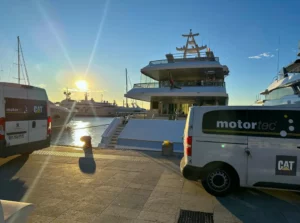
Yachts operating in the Western Mediterranean benefit from access to experienced service teams within the global CAT dealer network. At Motortec, authorised support is available throughout major yachting hubs in the south of France, such as Cannes, Monaco, Antibes, La Ciotat, and Nice.
We can assist with:
- Cooling system diagnostics
- Preventative yacht engine & generator service
- Heat exchanger cleaning
- Pump rebuilds and impeller replacement
- Emergency marine engine repairs
- Official CAT spare parts
For captains, engineers, and fleet managers, having direct access to a trusted and official CAT dealer ensures fast response times and expert technical support for any Caterpillar propulsion system.
The sea water cooling system is one of the most important systems for maintaining the reliability of a Caterpillar yacht engine. Regular inspection, preventative maintenance, and support from a qualified Caterpillar technician are essential for maintaining performance and avoiding unexpected marine engine repairs.
With proper maintenance and support from the global CAT dealer network, yachts can ensure their CAT engines deliver dependable propulsion, efficient fuel consumption, and long-term operational reliability.
Contact Motortec for your CAT sea water cooling system services